
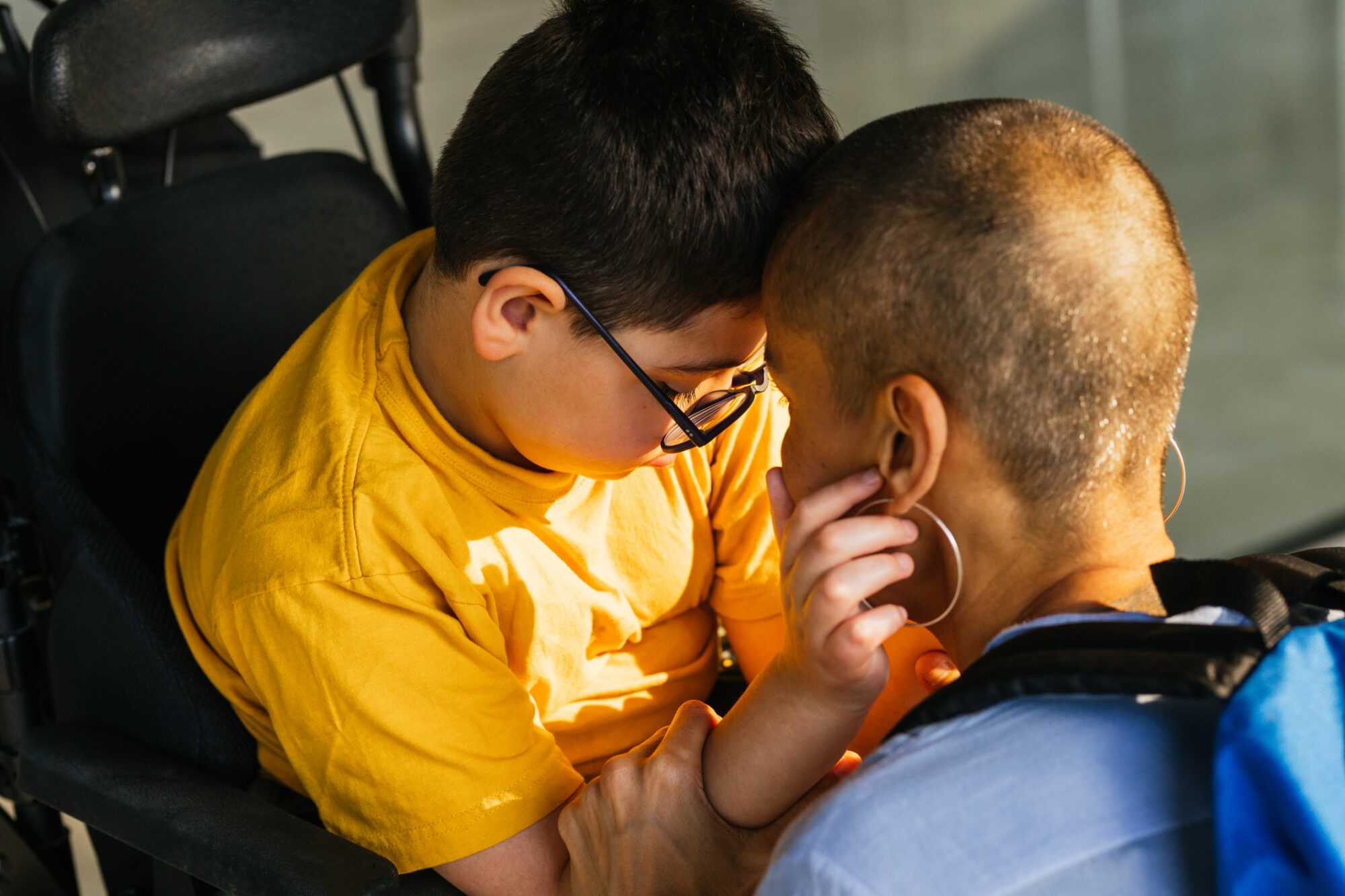
Caregiving for a Loved One with Special Needs: Why Every Family Needs a Backup Plan
If you care for a child or adult with special needs, you know every day brings unique joys and challenges. Between doctor appointments, therapies, school meetings, and daily routines, your focus is on providing the best care possible.
As the father of a child with autism, I understand why so many families avoid talking about what would happen if they could no longer provide that care. It’s a difficult conversation. But I’ve learned that creating a backup plan¹ isn’t about expecting the worst, it’s about making sure the people you love will always have the care and support they need. That’s one of the greatest gifts you can leave them.
Over time, caregiving becomes second nature. You don’t think about the hundreds of decisions you make each week because they’ve become part of your daily life. You know what brings comfort, what causes anxiety, which routines matter most, and how to respond when something unexpected happens. Much of that knowledge isn’t written down anywhere, it’s carried by those who provide care every day. A thoughtful backup plan helps preserve not only your loved one’s care, but also the experience, routines, and wisdom you’ve built over the years.
Why Every Caregiver Needs a Backup Plan
Life is unpredictable. An illness, accident, or other unexpected event could temporarily, or permanently, prevent you from providing care.
Having a plan helps ensure someone you trust can step in with confidence. That person may be a spouse, sibling, another family member, or a close friend. The important thing is choosing someone who knows your loved one or is willing to learn.
Preparing someone before they’re ever needed gives them the opportunity to ask questions, become familiar with routines, and better understand the responsibilities involved. Those conversations build confidence and are often far more meaningful when they happen before a crisis rather than during one.
More Than Choosing a Caregiver
Choosing a caregiver is only the first step. They also need the information to continue the care and routines you’ve worked so hard to build.
The real challenge is passing along what only you know. Every family develops routines, communication styles, preferences, and countless small details that rarely appear in legal documents. Yet those details often make the difference between someone simply providing care and someone helping your loved one feel safe, understood, and supported.
One of the most effective ways to preserve and share that knowledge is through a Letter of Intent. While it isn’t a legal document, it serves as a practical guide that helps future caregivers understand not only your loved one’s daily needs, preferences, and routines, but also the approach you’ve developed through years of caregiving.
Your Letter of Intent might include:
- Daily routines and schedules
- Medical providers, medications, and therapies
- Communication preferences
- Favorite activities and comfort items
- Foods to enjoy, or avoid
- What helps them feel calm during stressful moments
- Your hopes and goals for their future
Together with your legal and financial documents, a Letter of Intent helps bridge the gap between paperwork and everyday life. It provides future caregivers with more than information, it offers context, helping them understand not only what needs to be done, but why certain routines, preferences, and approaches matter to your loved one.
Talk With Your Support Team
Over the years, I’ve met many families who assume a loved one will simply know what to do if something happens. Most family members and friends want to help; they simply don’t know everything you’ve learned through years of caregiving.
Sharing responsibilities over time gives others the opportunity to ask questions, build confidence, and become familiar with the routines, preferences, and support systems that matter most. Those conversations are often much easier, and far more meaningful, when they happen before a crisis rather than during one.
Start by having open conversations with the people you trust. Review your Letter of Intent together, introduce them to key healthcare providers and support professionals, and gradually involve them in your loved one’s routines whenever possible. Preparing together over time can give everyone greater confidence and help ensure continuity of care if the unexpected ever happens.
Work With Experienced Professionals
Every family’s situation is different, and no single solution fits everyone. Working with an experienced attorney, financial professional, tax advisor, and other qualified professionals can help you create a coordinated plan that reflects your family’s unique circumstances and long-term goals. Together, they can help ensure your legal, financial, and caregiving plans support one another, giving you greater confidence that your loved one’s future is protected.
Preparation Is an Act Of Love
As both a father and someone who has the privilege of walking alongside families every day, I’ve seen that preparing for the unexpected doesn’t create fear, it creates confidence. None of us can predict tomorrow, but we can prepare today so that if life changes unexpectedly, the people who matter most continue receiving the care, stability, and support they deserve.
Every conversation you have. Every document you organize. Every responsibility you share. Each one is another way of protecting the person you love and helping ensure the care you’ve built can continue into the future. Because a backup plan isn’t about preparing for your absence, it’s about making sure your love, your guidance, and the life you’ve worked so hard to build can continue for the people who depend on you.
Key Takeaways
- Choose a trusted backup caregiver before a crisis occurs.
- Share the routines, preferences, and knowledge that only you can provide.
- Use a Letter of Intent to help future caregivers continue your loved one’s care with confidence.
- Build a coordinated plan with trusted legal, financial, and caregiving professionals.
- Review your plan regularly as life and caregiving needs evolve.

Michael Pereira
Michael Pereira is the founder of The Autism Voyage® an awareness platform dedicated to helping families raising children with autism and other long-term support needs navigate life’s biggest responsibilities. As both a father and an insurance professional, he works alongside families to help them prepare for the future with greater confidence.